



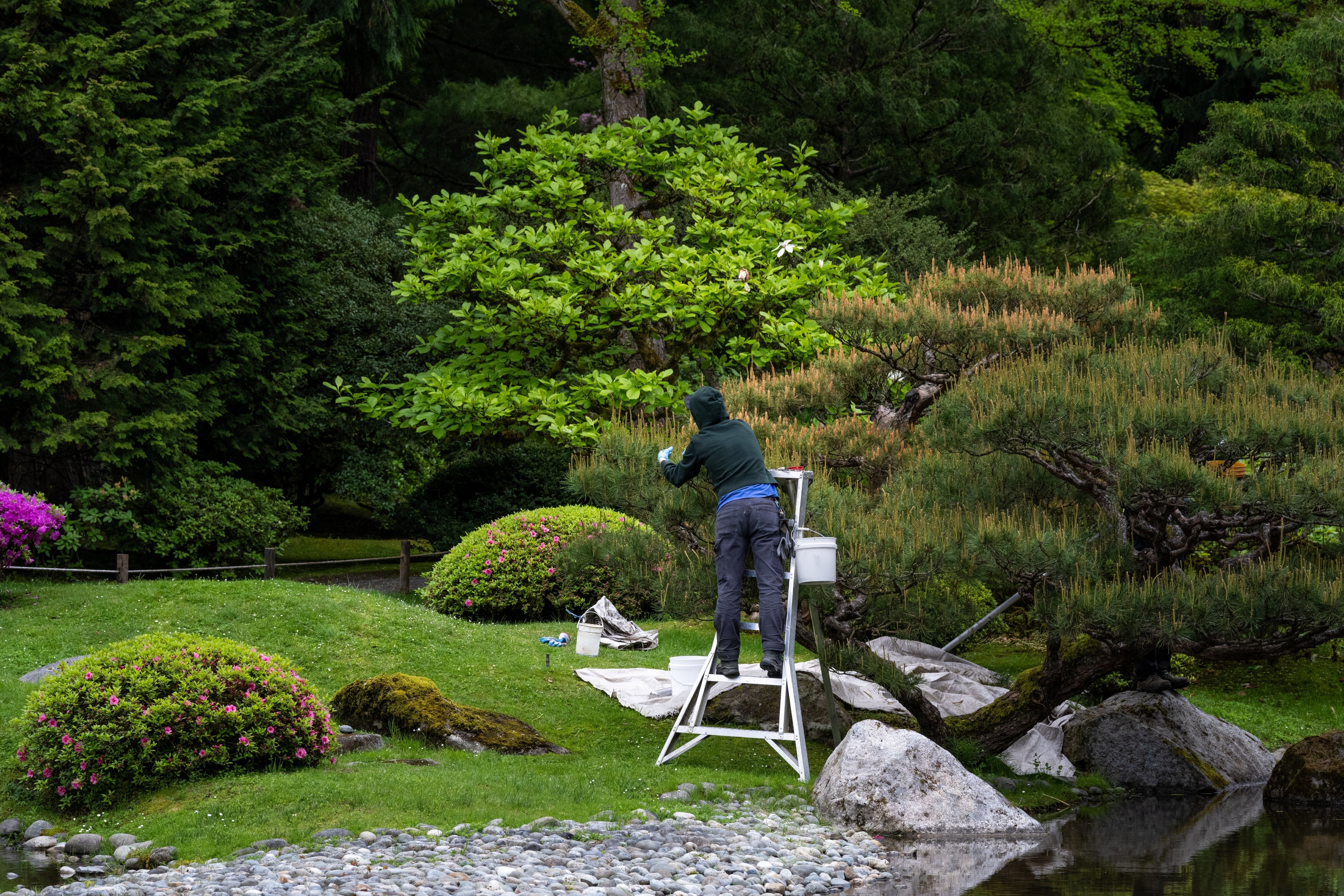
Proper pruning helps keep trees and shrubs healthy, safe, and easier to maintain over time. Whether you are cleaning up an overgrown backyard, improving the appearance of your garden, or preparing an outdoor area for landscaping or shade sails, regular pruning can make a major difference.
Many plants naturally become dense, uneven, or unstable if left unmanaged for long periods. Branches can overcrowd each other, block airflow, create safety hazards, or interfere with nearby structures and outdoor spaces.
Good pruning is not about cutting as much as possible. The goal is to improve the plant’s structure while maintaining healthy, balanced growth.
Why Pruning Is Important
Regular pruning helps improve both the health and visual appearance of trees and shrubs.
Some of the main benefits include:
- Removing dead or damaged growth
- Encouraging healthier branch structure
- Reducing storm damage risk
- Maintaining a clean & tidy appearance
- Reducing interference with outdoor areas or structures
When learning how to prune trees and shrubs, it is best to regularly maintain pruning rather than trying to remove years of neglected growth all at once. Remember that removing too much foliage at once can stress the tree/shrub causing weak regrowth. Taking a selective & careful approach generally produces better long-term results and ensure the health of your plant.
Basic Pruning Steps to Follow
Before you begin, asses what may be required for your yard. For any large branches or mature trees, these are often best to get professional advice on or to be handled by a qualified arborist.
 |
1. Remove Dead or Damaged Branches Look for any dead, cracked, diseased, or hanging branches/leaves that may become a hazard. |
 |
2. Thin Out Overcrowded Areas Thin out dense growth to help improve airflow and light filtration. |
 |
3. Maintain the Natural Shape Aim to keep the tree/shrubs shape balanced and natural-looking. |
 |
4. Cut Back Problem Branches Trim any branches which interfere with pathways, fences, roofs, or outdoor living areas. |
 |
5. Consider Future Growth Leave enough room for the plant to continue. |
The Best Time to Prune
Different plants respond best to pruning at different times of year.
For many trees and shrubs, dormant-season pruning during late winter or early spring is ideal because the plant is less active and easier to shape structurally. However, flowering plants may require different timing depending on when they bloom.
Always remember - most gardens benefit from light seasonal maintenance, while faster-growing trees may require trimming every 6–12 months depending on growth conditions.
Planning Around Outdoor Spaces
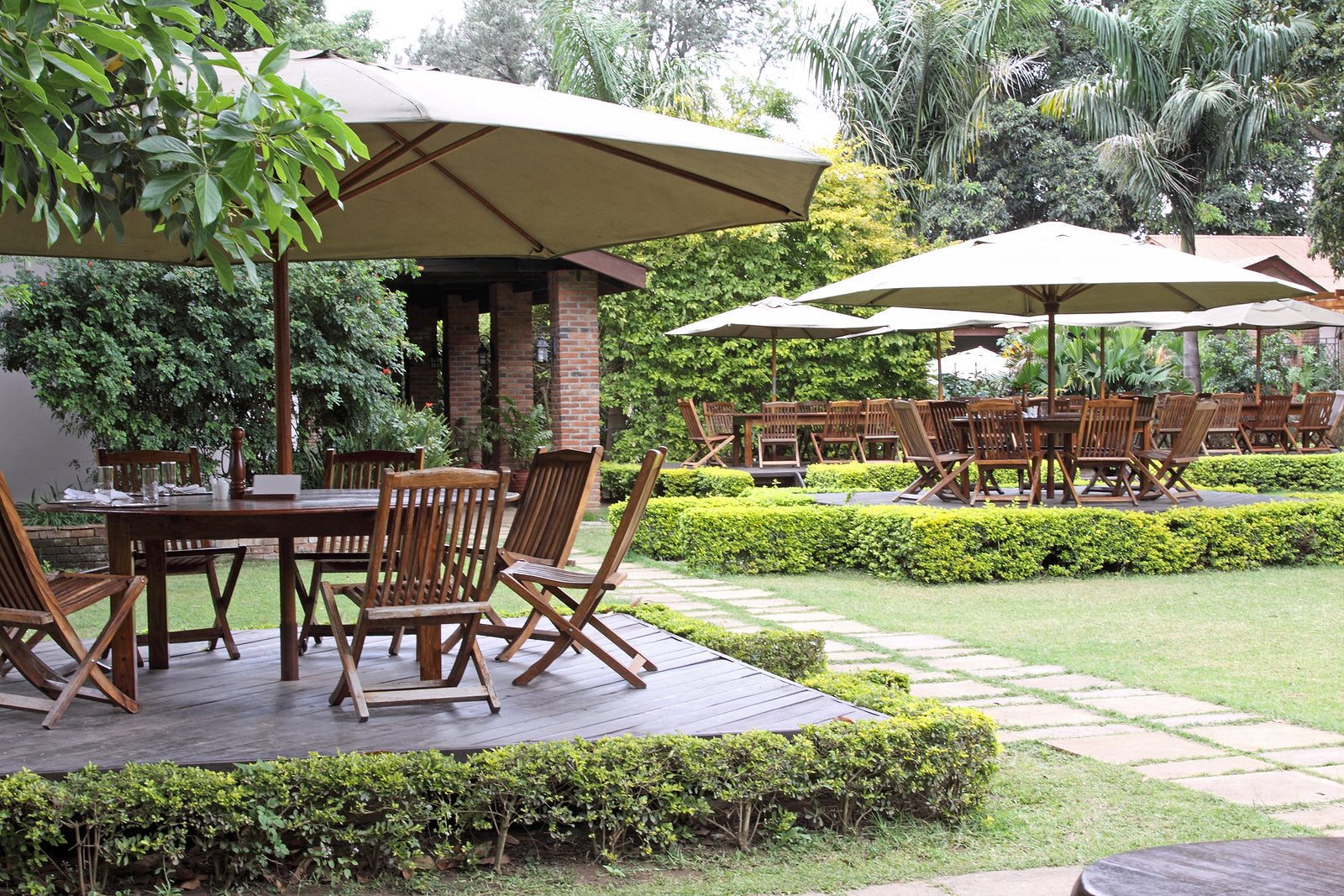
Regular pruning and garden maintenance is especially important to keep any outdoor patios, entertaining areas, pathways, pools & pergolas tidy and easier to manage throughout the year.
Trimming back overgrown branches on trees and shrubs is especially important to reduce leaf buildup, falling debris, and branch interference. Helping improve the airflow and ensuring the area is kept tidy and functional year-round.
For homeowners planning upgrades such as landscaping, pergolas, or Shade Sails, it is recommended to prepare nearby trees and shrubs beforehand. A well-maintained garden will not only help improve the final garden layout but also improves the appearance of a property.








Share:
Simple Ways to Improve Backyard Drainage